Christina Valdez
The craft beer industry is a relatively modern industry with roots starting in the 1970s when Jack McAuliffe opened what was considered to be the first craft brewery in the United States. Although New Albion Brewery only stayed open for six years, from 1976 to 1982, this is seen as the beginning of craft beer. Currently, there are approximately 6,500 craft breweries in the United States and about 70,000 people who work in breweries (McCarthy, 2018). No data for the demographics of these workers exists currently, but the demographics for both workers and patrons tend to skew white, male, and straight. For the restaurant and service industry as a whole, there are 14 7 million restaurant workers. Six million, or 4%, of the workers are women (Herz, 2017).
"The overall goal of this project is to develop a campaign that focuses on inclusivity within the craft beer community, that can potentially be re-worked and applied to areas outside of this culture."
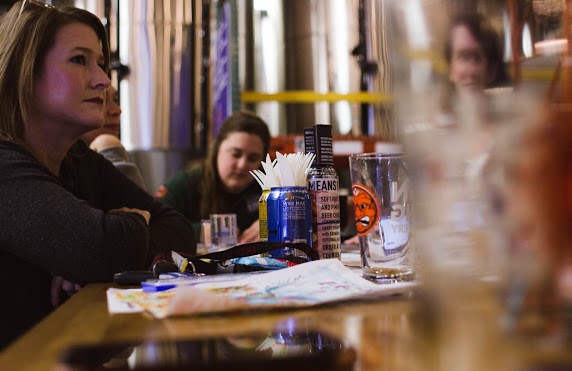
Image from Christina’s storytelling hub, Setting the Bar
The fact that craft beer is dominated by straight, white men isn’t alone an issue for concern. However, it becomes the center of a broader narrative when women, racial/ethnic minorities, and people who aren’t heterosexual in the craft beer world feel isolated (Roth, 2018) or are threatened and attacked (Denmon, 2018). There are a few ways in which diversity has been encouraged through media in the craft beer world. For example, Heineken produced the “World’s Apart” campaign, in which a video depicts people with ideological differences discussing these differences over a pint. Additionally, Dope & Dank is a promotional company that encourages multicultural participation in craft beer through the use of merchandising, promotions, social media, and events. Finally, Good Beer Hunting has a story series called “Humanity in Hospitality,” in which writers explore and interview what it means to be a woman or sexual minority in craft beer. What is still missing, however, is a campaign that focuses on creating a dialogue of inclusivity and encouraging action, without alienating anyone.
This creative project, therefore, focuses on the development of a transmedia campaign that encourages inclusivity and action without alienating people. The campaign uses photography, videography, social media, graphic design, storytelling, and live events. Users will be able to interact with any or all of the elements in the campaign to gain a more empathetic understanding of people different from them.
The overall goal of this project is to develop a campaign that focuses on inclusivity within the craft beer community, that can potentially be re-worked and applied to areas outside of this culture. This project investigates the disparities that exist in this culture, creates a transmedia campaign aimed for people in craft beer that encourage an empathetic dialogue, and explores different ways people can be active participants in this narrative. The effect of this project will bridge the gap that exists among different groups within craft beer. People will participate in a dialogue of empathy and inclusivity over a tough subject, while bonding over something they love: beer.
Access to the full paper found here.